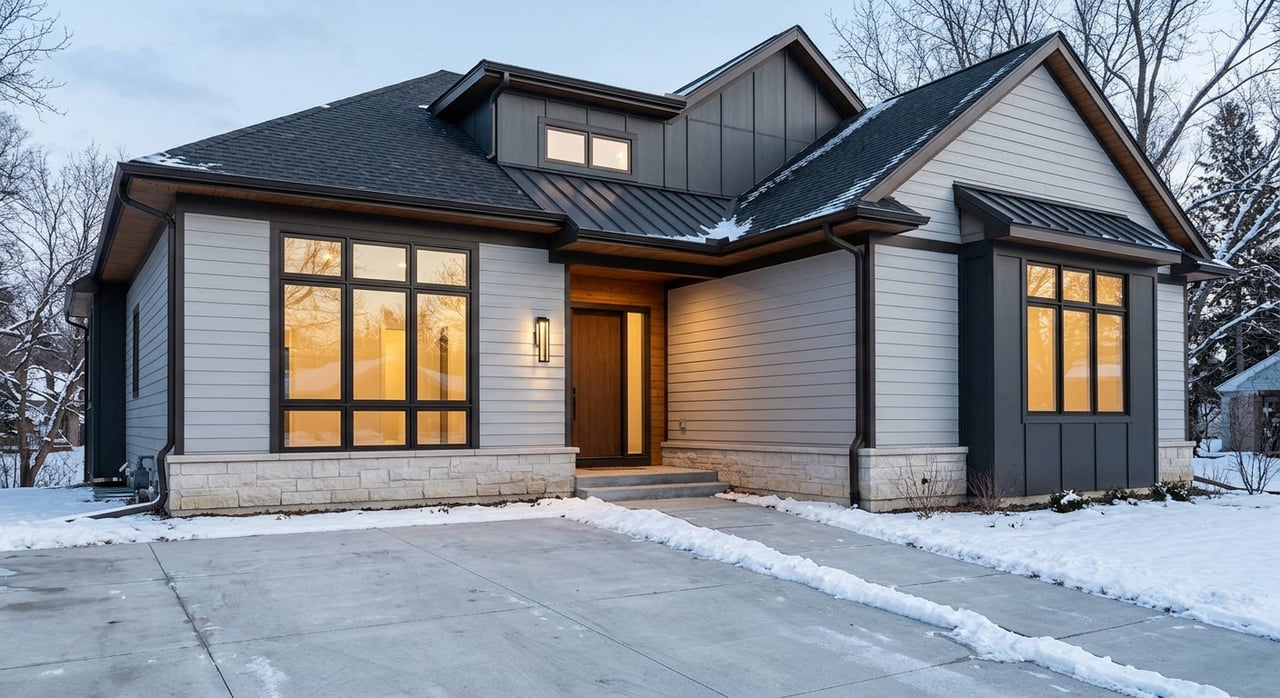
Greater FM Area Weekend Guide for Buyers
June 11, 2026
June 11, 2026
Wondering what everyday life in the Greater FM Area actually feels like before you move? A weekend is often enough to see the difference between walkable city blocks, newer event districts, quieter residential edges, and cross-river cultural spots. If you are exploring Fargo, Moorhead, West Fargo, or Horace, this guide will help you picture a real routine, not just a quick drive-through. Let’s dive in.
The Greater FM Area works as one connected metro, but each part offers a slightly different rhythm. Fargo, Moorhead, and West Fargo form the core of the region, with Horace adding a smaller but fast-growing edge.
For many homebuyers, that matters because lifestyle fit often shows up in the little things. Where you grab coffee, how easy it is to spend a Saturday outdoors, and what kind of evening plans feel natural can tell you a lot about where you may want to live.
Fargo is the easiest place to start if you want a more urban feel. Downtown Fargo is a major anchor for the metro, and local tourism materials consistently position it as a must-see for visitors and locals alike.
One of the clearest landmarks is the Historic Fargo Theatre, built in 1926. It hosts specialty film series, concerts, plays, and the annual Fargo Film Festival, which gives downtown a strong mix of history and nightlife.
West Fargo has become one of the metro’s biggest growth stories. The city describes itself as having a small-town atmosphere with metro-area advantages, and it reports an estimated population of more than 40,000.
If you spend time there, you will notice a strong focus on restaurants, entertainment, and public events. Areas around Sheyenne Street and The Lights help shape that identity and give West Fargo a more modern mixed-use feel.
Horace gives you a different side of the metro. The city reported about 4,200 residents in its 2023 profile and noted major growth since 2000, while local planning documents stress preserving community character and quality of life as growth continues.
That combination can appeal if you want access to the broader Fargo-Moorhead area but prefer a slower, more residential setting. It is less about packed event calendars and more about day-to-day ease.
Moorhead helps round out the full picture of the metro. The Hjemkomst Center, home to the Viking ship and stave church, gives the city a distinct cultural identity and hosts the Scandinavian Festival each June.
For buyers exploring the area, Moorhead shows that the region is more than one downtown with surrounding neighborhoods. It adds heritage, local history, and a cross-river perspective that makes the metro feel broader and more layered.
If you only have one weekend, Friday night in downtown Fargo is the best way to get your bearings. It gives you an easy introduction to the area’s walkability, dining options, and evening energy.
The downtown core is especially well suited to a park-once approach. The City of Fargo has designated part of Broadway as a Bicycle/Pedestrian Safety Zone, which supports a more relaxed, wandering kind of night out.
The metro has a strong independent coffee culture, and Fargo is a great place to tap into it first. Depending on your route, you might see names like Atomic Coffee, Young Blood Coffee Co., Twenty Below Coffee Co., Black Coffee & Waffle Bar, Babb’s Coffee House, Froth Coffeehouse, or Sandy’s Donuts & Coffee Shop.
These are more than quick stops. They also help you notice how different pockets of the metro feel from one another, especially if you are trying to imagine your future weekend routine.
For dinner, the local food scene is spread across districts rather than one single corridor. Popular names highlighted in tourism materials include Prairie Kitchen, Rustica Eatery & Tavern, Sol Ave Kitchen, The Local 701, and Barcode Bar.
After dinner, the Fargo Theatre is an easy next step if you want a memorable local landmark. Even if you do not catch a show, seeing the theater district and nearby streets helps you understand why many people connect Fargo with a more established, walkable lifestyle.
Saturday is where the Greater FM Area starts to feel lived-in. Markets, patios, parks, and event spaces make it easier to picture what daily life could look like if you moved here.
Summer and early fall are especially useful times to visit. Local tourism sources identify those seasons as the best time to experience the area because outdoor programming is most active.
One of the strongest Saturday anchors is Red River Market at Broadway Square. It runs on Saturdays from July through October and is billed as North Dakota’s largest farmers market.
If your visit lines up with June events, you may also catch the Scandinavian Festival in Moorhead, West Fargo Cruise Night, or the West Fargo Street Fair. These events give you a helpful feel for how each part of the metro gathers and uses public space.
Outdoor access is a big part of life in this region. Fargo Park District manages more than 2,100 acres, along with more than 1,000 programs and over 70 special events, which says a lot about how central parks and recreation are to local routines.
Lindenwood Park is one of the clearest examples if you want a simple, family-friendly stop. A river walk, bike ride, or StoryWalk-style outing can give you a much better sense of the area than another hour of online listing searches.
By Saturday evening, head west to see a different side of the metro. West Fargo combines growth, newer amenities, and a strong community event culture.
That can be especially helpful if you are deciding between an older, more established setting and a newer mixed-use environment. The contrast becomes obvious once you spend time in both places during the same weekend.
The Lights is one of the most useful places to understand West Fargo’s identity. It is described as an entertainment district with more than 20 businesses, nearly 300 apartments and condominiums, a public parking ramp, and a 40,000-square-foot outdoor venue for concerts and community events.
That mix of residential, entertainment, and public gathering space can help you picture how newer development patterns feel in real life. If you want convenience and activity close together, this part of West Fargo is worth seeing.
West Fargo is also investing in better walking and biking connections. The River’s Bend Multi-Use Path project is designed to improve access between neighborhoods, parks, commercial areas, and transit stops.
That detail matters if your home search includes quality-of-life questions beyond square footage. Simple things like trail access and neighborhood connectivity can shape how a place feels week after week.
Sunday is a good day to slow down and compare lifestyles. In the Greater FM Area, that usually means choosing between a heritage-focused Moorhead stop or a quieter outing in Horace.
Both are useful for buyers because they reveal different versions of local life. One leans cultural and cross-river, while the other feels more residential and growth-managed.
Moorhead is an easy Sunday pick if you want something reflective and place-based. The Hjemkomst Center and its Scandinavian heritage make it one of the most distinctive attractions in the metro.
This part of your weekend can help answer a practical question for buyers: do you want your local routine to include a stronger connection to arts, heritage, and regional identity? If so, Moorhead deserves a closer look.
Horace is the better Sunday stop if you want to experience a calmer edge of the region. Local planning documents describe a community focused on maintaining character and quality of life even as it grows.
Its parks and recreation approach also supports that feeling. The Horace Park District manages city parks, youth recreation, and community interests that include splash pads, dog parks, rural river trails, and outdoor pavilion space.
A good weekend visit can help you narrow your search faster than a stack of listings. The Greater FM Area offers several distinct lifestyle patterns within one connected region, and seeing them in person gives those differences real meaning.
In broad terms, Fargo offers a more established and walkable experience, West Fargo feels newer and event-oriented, Horace provides a quieter and growing residential edge, and Moorhead adds a heritage-centered cross-river dimension. That kind of contrast can be incredibly useful when you are deciding where to focus your search.
As you tour the area, pay attention to the details that shape a normal weekend. Coffee shops, patios, trail access, public events, and how easy it is to spend time outdoors all provide clues about fit.
This approach is especially helpful if you are relocating or trying to balance value, convenience, and long-term comfort. A neighborhood is easier to understand when you experience it as a routine rather than a checklist.
The biggest takeaway is that the Greater FM Area works best when you explore it as a whole. City lines matter, but your day-to-day life may naturally cross between Fargo, Moorhead, West Fargo, and Horace.
That is why a weekend guide matters for real estate decisions. It helps you connect homes to habits, and habits to the kind of life you want to build.
If you are comparing neighborhoods, planning a move, or trying to decide which part of the metro fits your goals, Luke Haldis can help you approach the search with clear, practical guidance.
Stay up to date on the latest real estate trends.
You benefit from a disciplined, client-first strategy built to protect your interests and grow your long-term wealth. Through proactive outreach and deep local relationships, you gain access to off-market and early opportunities most buyers and sellers never see. Every decision is guided by clarity, transparency, and a proven process designed to help you move forward with confidence and control.