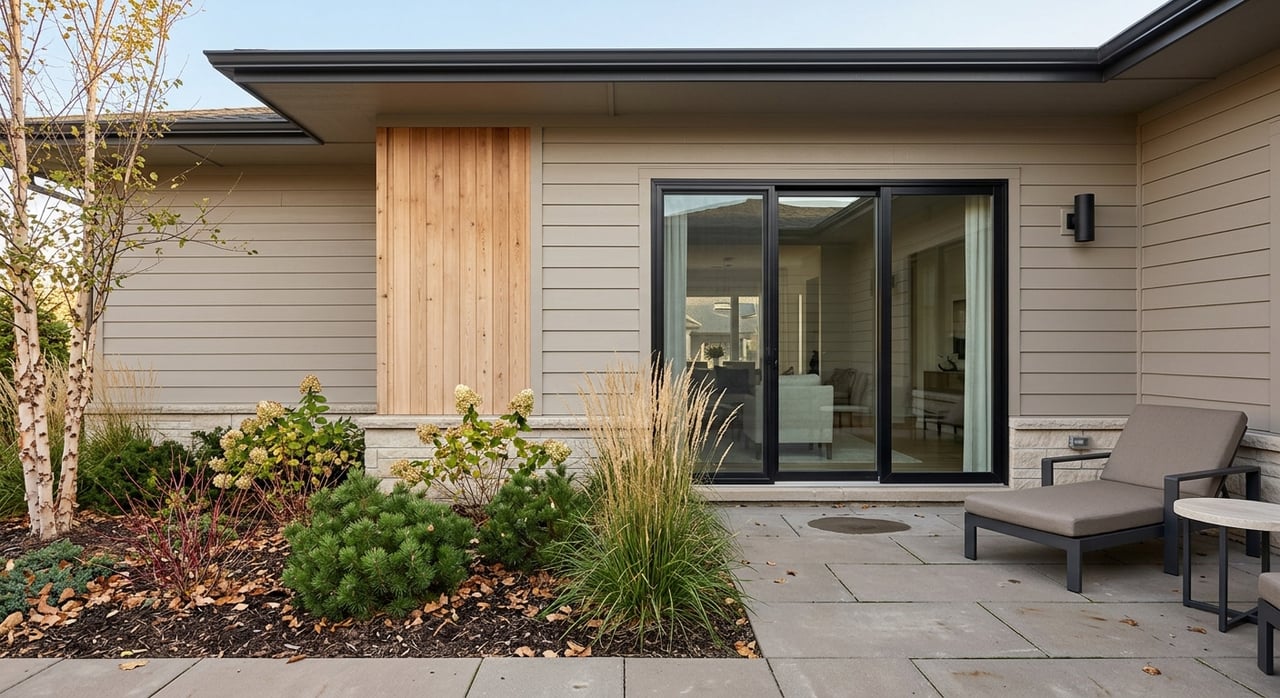
Selling a Home in West Fargo: Price and Time It Well
May 21, 2026
May 21, 2026
If you are planning to sell in West Fargo, one question matters more than almost any other: are you entering the market at the right price and the right time? That can feel like a lot to figure out, especially when headlines, online estimates, and nearby listings do not always tell the same story. The good news is that current West Fargo market data gives you a practical roadmap for pricing, timing, and prep so you can make a smart plan before your home goes live. Let’s dive in.
West Fargo looks active in spring 2026, but not overheated. Realtor.com reports a median listing price of $395,000, a median sold price of $364,961, 198 active listings, and a median 36 days on market in April 2026. Redfin shows a median sale price of about $365,000, about 31 days on market, and average homes selling around 1% below list.
Taken together, those numbers suggest a market where well-positioned homes can still sell in about a month. At the same time, buyers appear to be paying close attention to value. That means pricing too high can slow your sale, while a strong list price can help you attract serious interest early.
Pricing and timing should never be treated as separate decisions. In West Fargo, your list price affects how buyers respond in the first few weeks, and your launch timing affects how many buyers are actively looking when your home hits the market. When those two pieces line up, you give yourself a better chance at steady traffic and a smoother sale.
That matters because not every listing follows the same path. Recent sold examples in West Fargo show a wide spread, with some homes selling above list, some selling well under list, and at least one taking 174 days before selling at list. The takeaway is simple: price, condition, and presentation can all influence your result.
The most useful starting point is recent sold comparable homes, often called comps. Agents and appraisers typically compare your property with similar nearby homes based on size, age, condition, location, and features. The goal is not to find a home with the closest asking price, but one that truly competes with yours in the eyes of a buyer.
That is important because a three-bedroom home with dated finishes may not compare well to a nearby home with updated flooring, newer mechanicals, and stronger curb appeal. Even if the square footage is similar, buyers may value them differently. Good pricing starts with honest side-by-side comparisons.
The Appraisal Institute notes that the sales comparison approach looks at a home’s condition, construction, and features against recent similar sales in the area. In practical terms, that means your best comps are usually close by and similar in property type. A detached home should be compared with similar detached homes, and a townhome should be measured against townhomes, not a completely different style of property.
If you pull the wrong comps, your price can drift too high or too low. That can lead to missed interest, longer market time, or unnecessary price reductions. A sharper comp set gives you a much stronger pricing strategy from day one.
Sold homes help establish value, but active listings shape buyer choices right now. If buyers in your price band can choose between your home and several others with newer finishes or better presentation, your price has to reflect that reality. If your home is in stronger condition than current competition, that may support a firmer list price.
This is where strategy matters. You are not just asking, “What did another home sell for?” You are also asking, “What will buyers see this week when they compare my home to other available options?”
Current local data points to a fairly reasonable selling pace. Realtor.com shows a median 36 days on market, while Redfin shows about 31 days. That suggests many well-priced homes in West Fargo can move in roughly a month.
Of course, that is a market-wide average, not a promise for any one property. Homes that are priced well, presented cleanly, and launched at the right moment may move faster. Homes that miss the mark on pricing or condition may take much longer.
A lot of sellers focus on list date and forget the work that happens before launch. Realtor.com reports that 53% of sellers took one month or less to get their home ready to list. In West Fargo, that prep window can be especially important if you want photos, exterior touch-ups, and showings to happen during more cooperative weather.
If you want to list in spring, it helps to start earlier than you think. Small repairs, decluttering, paperwork, and staging all take time. Giving yourself a buffer can reduce stress and help you bring a cleaner, stronger listing to market.
For West Fargo sellers, late spring is the most defensible seasonal target based on the research provided. National studies cited in the report point to mid-April through late May as a strong listing window, and colder-climate markets often show bigger seasonal swings. That lines up well with West Fargo’s weather pattern.
NOAA’s regional climate summary says winter weather usually arrives in the middle to late part of November and lasts through March, while spring-like weather generally starts in April and lasts through May. Because snowfall season can run from October into May, winter and early spring can create extra challenges for curb appeal, access, and photography.
Snow, ice, and limited daylight can make your home harder to show at its best. Exterior photos may look less inviting, walkways may need more upkeep, and buyers may have a harder time noticing landscaping or outdoor features. In late spring and summer, those same features are easier to present clearly.
That does not mean you cannot sell in winter. It simply means your prep and pricing have to work harder when weather is less forgiving. If your move timeline is flexible, a late spring launch may give you better selling conditions.
Not every project adds equal value before a sale. The research points to presentation as a major factor in buyer response, and staging often helps buyers picture the home more clearly. In practice, that usually means decluttering, simplifying surfaces, reducing personal items, and making the entry feel clean and welcoming.
Those steps are often more practical than major remodeling right before listing. Buyers respond to homes that feel cared for, easy to understand, and move-in ready in appearance. A polished presentation can help support your price and shorten market time.
Before launch, concentrate on updates buyers are likely to notice right away. That can include touch-up paint, basic repairs, improved lighting, cleaner flooring, and a tidier exterior approach. Neutral styling and a cleaner look tend to make spaces feel larger and more usable.
This approach is also more efficient than starting large renovation projects without a clear return. In many cases, your goal is not to fully remake the home. It is to remove distractions so buyers can focus on the home itself.
North Dakota seller paperwork should be part of your timeline from the start, not an afterthought. State law requires a written property disclosure for many owner-sold residential dwellings with no more than four units when a brokerage represents or assists a party. That disclosure must address material facts, latent defects, general condition, environmental issues, structural systems, and mechanical issues.
Beginning August 1, 2025, sellers must also disclose known radon concentrations and provide prior test results and mitigation evidence if available. If your home is part of an HOA or condo association, assessments and association documents may also need to be disclosed. Gathering these items early can help avoid delays once your listing is active.
The clearest takeaway for West Fargo sellers is that pricing, timing, and presentation work together. Current market data suggests that homes that are well-priced and well-prepared can often sell in about a month, while late spring offers the strongest seasonal support for a launch. Add in solid prep and complete disclosures, and you give yourself a much better chance at a smoother sale.
If you are trying to decide when to list, which comps really matter, or what to fix before photos, a local pricing strategy can make the whole process feel far more manageable. When you want practical guidance and a thoughtful plan, Luke Haldis is a great place to start.
Stay up to date on the latest real estate trends.



You benefit from a disciplined, client-first strategy built to protect your interests and grow your long-term wealth. Through proactive outreach and deep local relationships, you gain access to off-market and early opportunities most buyers and sellers never see. Every decision is guided by clarity, transparency, and a proven process designed to help you move forward with confidence and control.