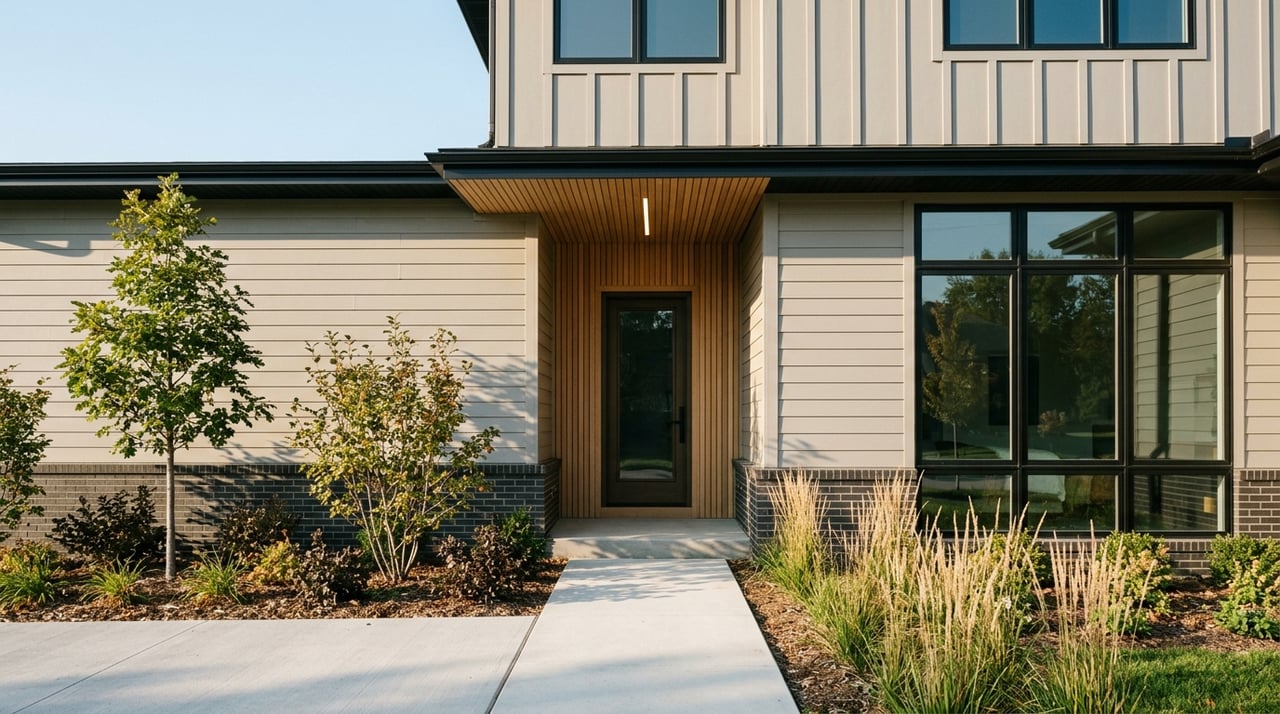
Building A New Home In Horace
July 9, 2026
July 9, 2026
Thinking about building a new home in Horace? You are not alone. Horace is growing fast, and that growth is shaping how buyers shop for lots, compare builders, and plan timelines. If you want a clearer picture of what building here really involves, this guide will walk you through the local process, the biggest questions to ask, and the details that can affect your budget before you sign anything. Let’s dive in.
Horace is a small city with very rapid growth. The U.S. Census Bureau’s July 1, 2025 estimate puts Horace at 7,001 residents, up from 3,085 in the 2020 Census. That kind of growth matters because it often means you are shopping in active developments rather than in a fully built-out market.
Compared with Fargo and West Fargo, Horace is smaller and still adding subdivision infrastructure. City planning documents show ongoing work in additions such as Cub Creek 2nd Addition, Lost River 7th Addition, Maple Lakes Phase II, Southdale Farms 4th and 5th Additions, Visto, and Willow Grove. For you as a buyer, that usually means the new-construction search starts with lot selection, subdivision rules, and project timing.
Horace’s comprehensive plan points future growth toward suburban and compact development. The city also says it does not plan to pursue rural residential development. In plain terms, that means most buyers should expect subdivision-style building rather than scattered rural home sites.
That can shape your search in important ways. Instead of only comparing floor plans, you may also need to compare lot premiums, covenants, architectural standards, and special assessments from one development to another.
Several local developments are described as multi-phased and master-planned. Lost River, for example, offers a range of lot sizes and amenities. Sparks is also described as a multi-phased, master-planned community, while Cub Creek markets itself as a newer development in the city.
That variety matters because not every Horace lot is the same product. City and development materials show differences in lot size, layout, and infrastructure stage. A lot that looks similar on a map may come with very different rules or costs.
A good lot decision is about more than curb appeal. In Horace, the lot can affect what you can build, what extras you can add later, and how much the total project will cost.
Before you commit, ask for details on the exact lot, not just the subdivision overall. Local documents suggest several issues deserve close attention.
Some Horace developments include governing documents that cover siding materials, setbacks, fences, and outbuildings. Lost River’s documents also state that improvements should be presented to the Architectural Review Committee before they are ordered or built.
That means a future shed, fence, patio, or exterior change may not be as simple as you expect. If you know you want certain features, confirm the rules early.
Horace permit guidance tells residents to confirm setbacks and utility easements before planning site work. The city’s comprehensive plan also notes that zoning regulates setbacks and lot coverage.
This matters even after the house is built. A lot may have space on paper, but easements or setback limits can affect where you place a deck, garage addition, or accessory structure.
Horace’s building code says residential construction in special flood hazard areas must meet elevation standards and be verified by the building official. That can be especially important on lots near drainage corridors or flood-mitigation areas.
You do not want to learn late in the process that a lot needs extra elevation work or a different foundation approach. Ask this question before you compare prices.
Horace city documents show that water, sewer, storm, and street improvement districts are financed through special assessments. Buyers should ask for the current assessment status of the exact lot and whether future assessments are expected.
This is one of the biggest new-construction budget issues to clarify upfront. A lower lot price does not always mean a lower total cost.
When you tour a development, bring a short checklist. These questions can help you compare lots more clearly:
One of the biggest surprises for buyers is how long new construction can take. Building in Horace often depends on more than just your builder’s calendar.
The city says new structures require a building permit, and residents are directed to the city’s online Building Permits and Inspections application page. The city also tells residents to call 811 before digging, with utility locates taking about 48 hours and remaining valid for 21 calendar days.
Council materials show that developers must receive city approval for platting, zoning, building permits, and other permits. They also state that improvements must be designed by a North Dakota-licensed professional engineer and reviewed by the city engineer before construction begins.
For you, that means a lot may be available for sale before it is truly ready for vertical construction. Utility installation, drainage work, and subdivision improvements can all affect timing.
New-home purchases typically involve blueprint selections, permits, deposits, and a longer timeline than resale homes. National housing industry reporting cited in the research notes an average timeline of about eight months, with fully custom homes sometimes taking much longer.
The key takeaway is simple: treat your build as a project, not a quick closing. If your move has a hard deadline, build extra time into your plan.
The base price is only one part of the total cost. In Horace, your full budget may include several items that do not show up in the first marketing flyer.
You may need to account for:
When you compare builders, ask for a realistic total-project picture. That makes it easier to avoid choosing a home plan that looks affordable at first but grows quickly once lot and site costs are added.
Financing a new build can work differently from financing an existing home. The Consumer Financial Protection Bureau says construction loans are usually short-term loans with funds advanced in draws as construction progresses. Some convert to a permanent mortgage, while others require a refinance or new loan later.
That can affect both your timing and your cash flow. The same source also notes that payments may not begin until later in the project, sometimes six to 24 months after origination.
You do not have to use a builder’s preferred lender. The CFPB says buyers can compare official Loan Estimates from multiple lenders, which is especially useful when you are trying to understand construction financing, rate options, and closing costs.
If a builder asks for earnest money or a deposit, ask under what conditions it is refundable. Since new-construction contracts are often signed long before completion, that detail matters.
For some buyers, state-level financing support may help. North Dakota Housing Finance Agency programs include low-cost financing and down payment and closing cost assistance, and its FirstHome program is designed for eligible low- to moderate-income buyers who have not owned a home in the last three years.
USDA financing may also be an option for some buyers, but it should be treated as property-specific and household-specific. Final eligibility is determined only after a complete application.
Builder sales teams are helpful, but they represent the builder’s interests. That is why it helps to bring your own representation in before the first visit, before a reservation agreement, or before signing a builder contract.
This is where a buyer-focused agent can be especially useful. You may need help comparing included finishes, upgrade allowances, lot premiums, selection deadlines, inspection timing, and warranty terms.
New-home warranties are common, but coverage and dispute procedures can vary. The Federal Trade Commission advises buyers to ask exactly what the warranty covers and how claims are handled.
That is an easy detail to overlook when you are focused on floor plans and design choices. Still, it can matter long after closing.
If you are deciding where to build, Horace offers a different experience than Fargo or West Fargo. Census data shows Horace is much smaller, and local city materials show it is still actively building out subdivisions and infrastructure.
That usually means Horace buyers spend more time comparing lot conditions, assessments, and builder packages in newer master-planned areas. By contrast, Fargo and West Fargo generally offer a broader mix of inventory because they are larger cities.
If you want a newer lot and you are comfortable with a more customized, longer process, Horace may be a strong fit. If you want more immediate inventory or a more established housing mix, the comparison may lean differently.
Building a new home in Horace can be exciting, but it works best when you go in with a clear plan. If you want help comparing subdivisions, reviewing lot tradeoffs, or making sense of the full build process, Luke Haldis can help you move forward with confidence.
Stay up to date on the latest real estate trends.
You benefit from a disciplined, client-first strategy built to protect your interests and grow your long-term wealth. Through proactive outreach and deep local relationships, you gain access to off-market and early opportunities most buyers and sellers never see. Every decision is guided by clarity, transparency, and a proven process designed to help you move forward with confidence and control.