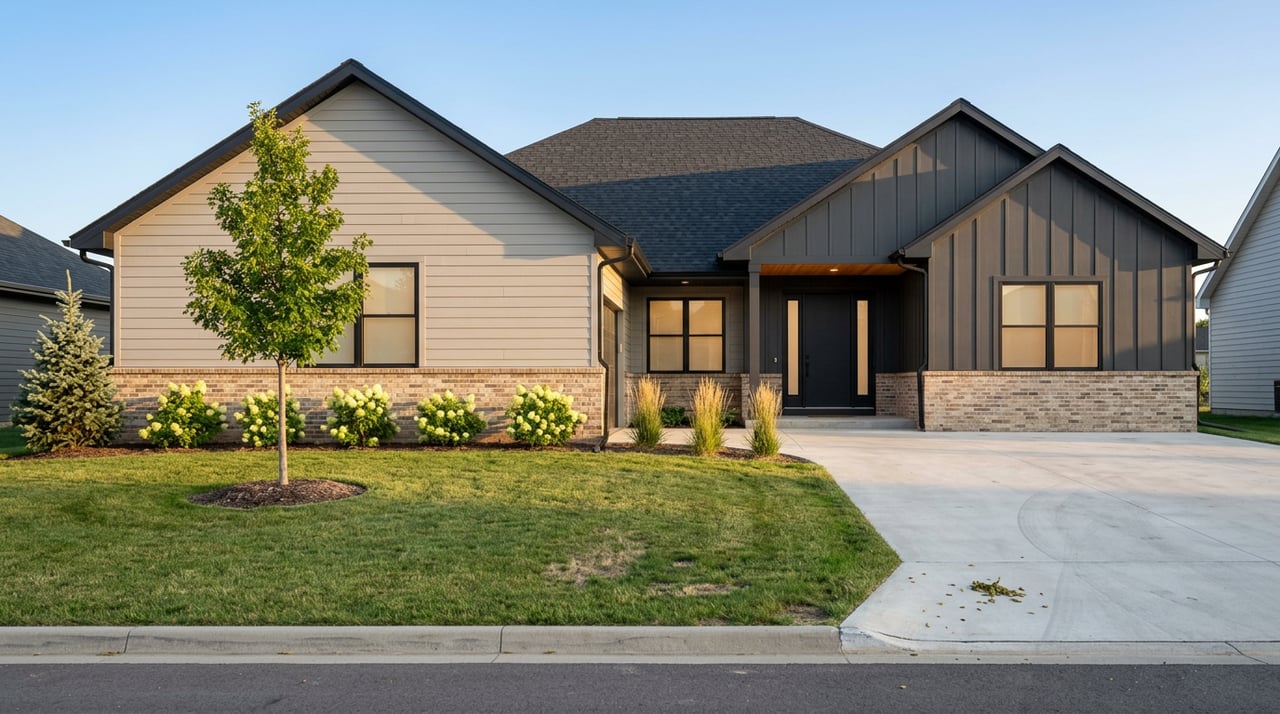
Your Guide to West Fargo Neighborhoods & Amenities
March 24, 2026
March 24, 2026
Choosing the right West Fargo neighborhood can feel overwhelming. You want a place that fits your day-to-day, with easy commutes, nearby parks, and the home style that matches your goals. This guide gives you a clear, local overview of West Fargo’s key areas so you can compare lifestyle, amenities, and housing types with confidence. Let’s dive in.
West Fargo is a fast-growing city with about 41,000 residents and a short average commute across the metro. The city’s comprehensive plan notes a strong tilt toward single-family construction in recent years and encourages more variety in future builds, plus reinvestment in older neighborhoods to boost walkability. You will notice a contrast between the older core areas and newer, master-planned subdivisions on the edges. You can explore those planning priorities in the city’s summary of Big Ideas for neighborhoods and housing in West Fargo 2.0.
Rivers Bend is a multi-phase, master-planned community along the Sheyenne River with internal trails and connected green space. The development was designed with a coordinated approach between the city, developer, and Park District, as outlined in Moore Engineering’s project summary. Most residents drive for daily errands, and regional commuters typically see about an 18-minute average travel time, according to U.S. Census QuickFacts. Homes here include newer single-family builds, townhomes, and patio or twin homes, often on mid-to-large lots with easy trail access.
This south-central district is the city’s visible entertainment and mixed-use hub. The Lights hosts events in a public plaza setting and seasonal programming, highlighted by the West Fargo Events calendar. Nearby you will find established single-family blocks and low-maintenance options like condos and apartments. The area has reasonable access to I-94 and 13th Avenue, and it is served by MATBUS fixed routes, though most households still rely on cars for work trips.
Closer to West Fargo’s center, Charleswood and neighboring riverside pockets offer mature trees, ponds, and established streetscapes. Homes tend to be traditional single-family on larger lots with curving streets and cul-de-sacs. Buyers often choose these areas for their established character and proximity to the city core. The city’s plan also points to targeted investment in older neighborhoods to strengthen walkability and public spaces.
On the west and northwest sides, these newer subdivisions are laid out around ponds and small park nodes, with ongoing phases and additions. Many homes are twin homes or mid-priced single-family options with straightforward lots and nearby playfields. Some low-lying locations sit near flood-sensitive zones along the region’s waterways, so it is wise to review site-specific elevation data and insurance requirements. For context on regional flood-mitigation efforts, you can review the FM Area Diversion recreation and aesthetics appendix.
As West Fargo expands, you will see many “Additions” by name, each with a distinct phase. New plats often feature efficient lot layouts, garage-forward designs, and internal trails with small pocket parks. Mature tree canopy can take time to develop in these areas. The city’s comprehensive plan discusses these patterns and the push to broaden housing choice in West Fargo 2.0.
Along 13th Avenue and 9th Street near City Hall, you will find older homes, small multifamily, and commercial strips. Corridor studies and city planning point to multi-modal interest, existing bus routes, and opportunities for future infill and mixed use. For planning context on these core areas, see the Metro COG corridor packet and check MATBUS routes for current service.
Most West Fargo residents drive to jobs across the Fargo-Moorhead metro. The average commute time for West Fargo is about 18.2 minutes, according to U.S. Census QuickFacts. MATBUS runs fixed routes that connect West Fargo with nearby employment and retail corridors. Service is strongest on major arterials, so expect to drive for many daily needs even if you use the bus for select trips.
West Fargo neighborhoods are threaded with parks and multi-use paths, plus seasonal rinks and warming houses managed by the Park District. Newer subdivisions often link trails to larger park nodes, while established areas near the river have greenbelts and pocket parks. To explore seasonal amenities and rinks, visit the West Fargo Park District.
West Fargo Public Schools serves the city, and enrollment growth has led to boundary updates and new facilities in recent years. Attendance zones can change, so verify your specific property’s assigned schools on the West Fargo Public Schools website before you make a move. If you are comparing addresses across multiple new additions, check boundary details early in your search.
Use these quick prompts to match neighborhoods with your day-to-day needs:
Whether you want a low-maintenance condo near The Lights or a classic single-family home in an established riverside neighborhood, local context will help you move fast and feel confident. If you are relocating, comparing new construction, or planning a first purchase, let’s map options to your budget and timeline. Reach out to Luke Haldis to start a focused neighborhood consultation.
Stay up to date on the latest real estate trends.
You benefit from a disciplined, client-first strategy built to protect your interests and grow your long-term wealth. Through proactive outreach and deep local relationships, you gain access to off-market and early opportunities most buyers and sellers never see. Every decision is guided by clarity, transparency, and a proven process designed to help you move forward with confidence and control.