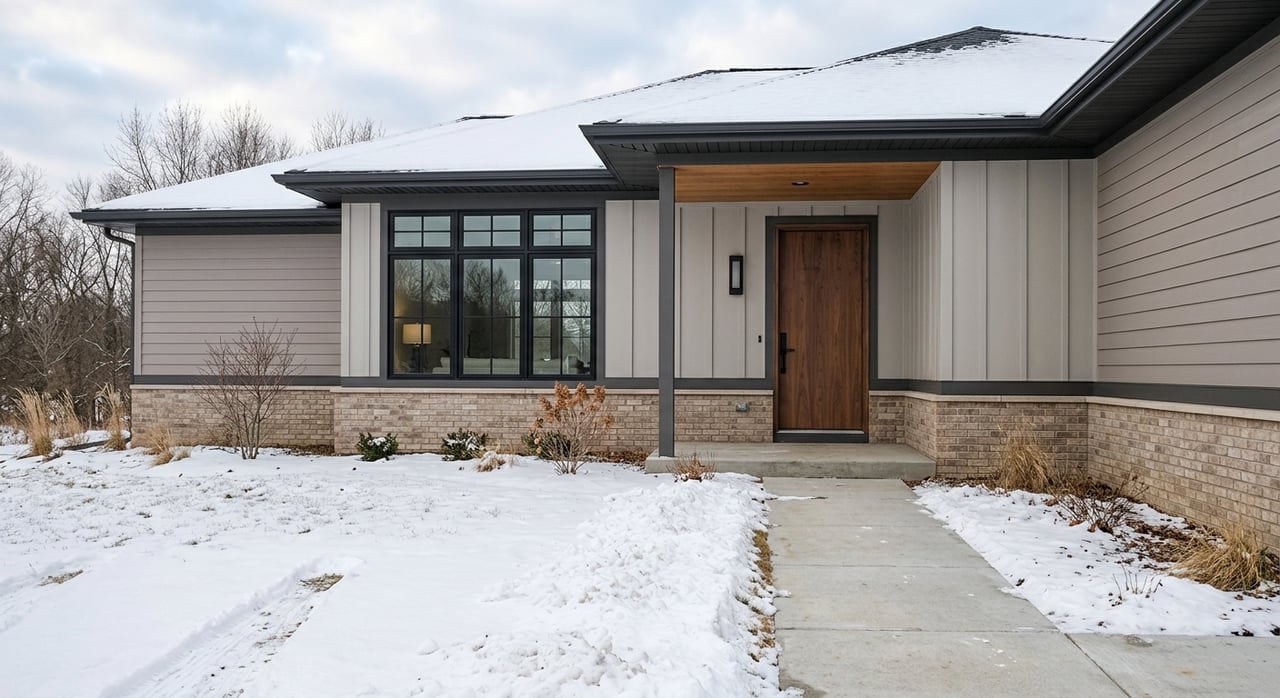
Relocating to Fargo ND and Nearby Communities
May 14, 2026
May 14, 2026
Thinking about a move to Fargo and the surrounding Cass County communities? You are not alone. This part of North Dakota offers a mix of city living, suburban growth, and newer development, but each area comes with different tradeoffs in housing, commute patterns, and day-to-day logistics. If you are trying to figure out where you might fit best, this guide will help you compare Fargo, West Fargo, and Horace with a clearer lens. Let’s dive in.
Fargo is the metro anchor, with an estimated 2024 population of 136,285. Nearby West Fargo was estimated at 41,027, and Horace at 6,286. Horace stands out for its fast pace of change, with population growth of 96.1% from its 2020 census base.
For you as a buyer or relocating household, that growth matters. It can shape what kind of housing you will find, how roads and services evolve, and what nearby development may look like over the next few years. In short, these communities are connected, but they do not feel identical.
Fargo tends to offer a wider range of housing types, including more rental and attached-housing options. Census data supports that pattern, with an owner-occupied rate of 43.7% in Fargo. The city also had a median owner value of $281,900.
That does not mean every Fargo neighborhood looks or feels the same. It means Fargo often gives you more variety if you want flexibility on home style, price point, or proximity to core services and transportation options.
West Fargo shows a different housing profile. Its owner-occupied rate was 64.4%, and the median owner value was $321,900. Taken together, those figures suggest a market that skews more toward owner-occupied housing than Fargo.
If you are looking for a community with a strong suburban growth pattern, West Fargo may be worth a closer look. Planning documents also show a close focus on future transportation and growth areas, which can be helpful when you are evaluating where development may show up next.
Horace is smaller, but it is changing quickly. The city’s comprehensive plan states that additional land is being planned to accommodate more residential, commercial, recreational, and public areas as growth continues.
That can appeal to buyers who want newer development or want to get into an area that is still expanding. It also means you should expect change. A quiet stretch today may look different as the community builds out over time.
Recent market snapshots point to different pricing and timing patterns across the area. In April 2026, Fargo showed a median listing price of $366,250, 532 homes for sale, and a median of 50 days on market. West Fargo showed a median listing price around $395,000 and about 36 days on market.
Horace’s February 2026 snapshot showed a median listing price of $369,900, 378 homes for sale, 72 days on market, and a 100% sale-to-list ratio. Across the FM REALTORS service area through March 31, 2026, there were 741 homes sold, 2,683 active listings, 1,415 new listings, and an average sold price of $350,386.
The key is to read those numbers directionally, not as a perfect side-by-side comparison. The sources reflect different time periods and geographies. Still, they give you a helpful starting point if you are comparing pace, price, and inventory across the metro.
A relocation decision is not only about the house. It is also about how you will move through your day.
Fargo’s GO 2030 planning framework emphasizes walking, biking, transit, improved regional bus service, and easier access to I-29 and I-94. MATBUS operates Monday through Saturday in Fargo, West Fargo, Moorhead, and Dilworth, with both fixed routes and on-demand service.
If you are considering West Fargo, local planning documents identify Main, 12th, 13th, 32nd, 40th, and 52nd Avenues as key east-west corridors, with Sheyenne Street and 9th Street as major north-south routes. West Fargo’s mean travel time to work was 17.3 minutes in the 2020-2024 American Community Survey, which gives you a useful baseline for commute expectations.
Horace planning also references a potential I-29 interchange at 76th Avenue South. That matters if you are thinking long term, because major road projects can influence convenience, traffic flow, and future development.
If you are relocating from a milder climate, Fargo weather deserves real attention. According to the 1991-2020 climate normals, Fargo’s mean annual temperature was 42.2°F. The city averages 23.95 inches of precipitation and 51.4 inches of snowfall each year.
The area also sees 92.7 days with highs at or below freezing and 41.7 days with lows at or below 0°F. Those numbers matter when you think about vehicle storage, snow removal, exterior maintenance, and your comfort with winter driving.
NDSU’s Climate Office is a strong public resource for daily weather records, climate normals, and frost timing. If you care about gardening, landscaping, or seasonal upkeep, this kind of local data can be surprisingly useful.
Flooding is one of the most important relocation issues in this market. Fargo cites permanent levees, floodwalls, drainage enhancements, and pumping capacity as part of its flood-control approach. West Fargo also notes that the region regularly sees flooding from snowmelt, heavy thunderstorms, and rising rivers and streams.
For you as a buyer, the main takeaway is simple. Do not assume flood risk based on appearance alone. A property near a drainage corridor or river-adjacent area deserves careful review before you make an offer.
Cass County’s floodplain administration page and flood maps are the public starting point for checking whether a property is in or near a mapped floodplain. It is also important to know that the North Dakota Insurance Department says standard homeowners policies do not cover flood damage, and that National Flood Insurance Program coverage typically has a 30-day waiting period.
Relocating is easier when you turn broad research into a short list of checks. A few smart steps can help you avoid surprises and feel more confident about your decision.
If school boundaries matter to your move, confirm the exact assignment by property address. Fargo Public Schools notes that boundaries are subject to change, and 2026-27 elementary boundary changes are already planned.
West Fargo Public Schools also provides district enrollment and school information, including Horace Elementary and Horace High. The key is to verify current assignment directly instead of relying on assumptions or older listing descriptions.
Before you offer on a home, review the property’s floodplain and FIRM status. This is especially important if the home sits near water, drainage channels, or low-lying areas.
This step can affect insurance planning, monthly costs, and your comfort with long-term risk. It is much easier to investigate early than to scramble during contract deadlines.
Maps help, but a real drive tells you more. If possible, test your likely commute route and a backup route during peak times and in winter conditions.
Also check MATBUS options if transit flexibility matters to your household. Even if you mostly drive, it helps to know what alternatives exist.
Growth can be a positive, but it can also change traffic patterns, nearby land use, and the feel of an area. West Fargo publishes studies and plans including a Growth Area Master Plan, Metro GROW 2045 Transportation Plan, and a regional housing needs analysis.
Horace planning documents can also help you understand where new residential, commercial, or public uses may appear. If you are buying for the long term, this context is worth your time.
If you are deciding where to focus, start with your daily priorities instead of just square footage. Ask yourself what matters most over the next few years.
You may want to think about:
When you look at Fargo, West Fargo, and Horace through that lens, the right fit often becomes clearer. The goal is not to find the "best" place in general. It is to find the place that fits how you actually live.
If you are relocating to Fargo or nearby communities, the best next step is a focused plan built around your budget, commute, and must-haves. Luke Haldis can help you sort through neighborhoods, compare tradeoffs, and move forward with confidence.
Stay up to date on the latest real estate trends.



You benefit from a disciplined, client-first strategy built to protect your interests and grow your long-term wealth. Through proactive outreach and deep local relationships, you gain access to off-market and early opportunities most buyers and sellers never see. Every decision is guided by clarity, transparency, and a proven process designed to help you move forward with confidence and control.