Living in Fargo ND: Downtown or Suburban Life?
April 16, 2026
April 16, 2026
Trying to choose between Downtown Fargo and a more suburban setting around the city? That decision is about much more than price. It shapes how you spend your mornings, how often you drive, what kind of home you can target, and what daily life feels like once the move is over. If you are weighing convenience against space, or activity against a quieter residential pattern, this guide will help you compare the two with real local context. Let’s dive in.
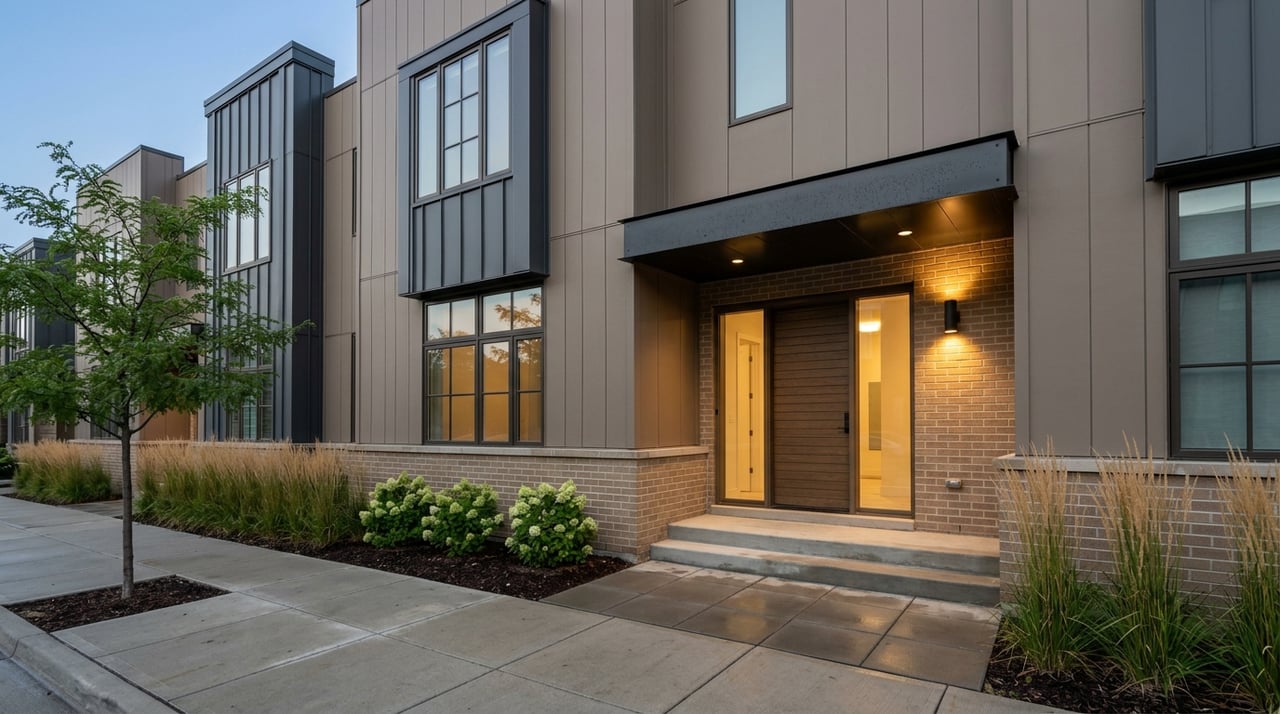
Downtown Fargo offers a compact, mixed-use environment where housing, restaurants, entertainment, shopping, and public spaces are close together. The City of Fargo describes downtown as a mixed residential and commercial district with access to riverfront and park amenities, trails, entertainment, and shopping opportunities through its Downtown neighborhood overview.
That setting stands apart from a typical subdivision. Instead of long stretches of detached homes, downtown tends to offer a broader mix of housing types within a smaller footprint. According to the city, downtown had 4,113 residents in the 2020 Census, and 798 housing units were built or under construction since 2017, accounting for 13% of all new units added in Fargo.
Around Fargo, suburban living often means more detached homes, newer housing stock, and neighborhood layouts built at a lower density. A strong local comparison point is West Fargo, where planning materials show that the large majority of housing is detached single-family residential.
West Fargo also reflects the newer side of the market. The city reports a median year built of 2002 in West Fargo compared with 1989 in Fargo, and 57% of West Fargo housing was built between 2000 and 2017 according to the city’s Neighborhoods and Housing planning document. If newer construction and a more traditional neighborhood pattern matter to you, that can be a meaningful advantage.
If you want variety, downtown usually gives you more ways to match your home to your lifestyle. The district includes a wider range of housing options, especially within its core, while the edges transition to lower-density areas. That can appeal to buyers who value proximity and convenience over lot size.
Downtown also continues to evolve. The pace of housing growth in recent years suggests that the area remains an active part of Fargo’s residential story, not just its business district. For buyers who want to live near where things happen, that matters.
Suburban neighborhoods around Fargo tend to lean more heavily toward detached homes. In West Fargo, the majority of housing falls into that category, which often aligns with buyers looking for more separation between homes, more storage, or a different indoor-outdoor balance.
Homeownership patterns are different too. Census QuickFacts for West Fargo show an owner-occupied housing rate of 64.4%, compared with 43.7% in Fargo citywide. That does not make one setting better than the other, but it does highlight how downtown Fargo and suburban areas often serve different housing goals.
One common assumption is that suburban living automatically costs less. In this area, that is not always true. Census data show a median owner-occupied home value of $321,900 in West Fargo, compared with $281,900 in Fargo citywide, while Cass County sits in between at $298,000.
That is why this choice is better framed as a lifestyle and housing-type decision, not a simple budget comparison. A suburban move may get you a different layout or newer construction, but it does not automatically mean a lower price point. If you are comparing options, it helps to start with how you want to live first, then evaluate which locations support that goal.
Downtown Fargo is the more walk-oriented environment. The city actively supports sidewalk activity to increase public use, enjoyment, safety, and walking, as outlined on its downtown sidewalk activity page.
That matters in everyday life. If you like being able to step out for coffee, dinner, errands, or events without getting in the car every time, downtown offers a stronger match. The concentration of businesses also supports that lifestyle, with Downtown Fargo’s directory highlighting more than 90 businesses across dining, shopping, arts and entertainment, professional services, health and wellness, hotels, and more.
Suburban neighborhoods around Fargo tend to be more car-centered. West Fargo’s planning materials note that newer neighborhoods south of I-94 often use curvilinear streets and cul-de-sacs, which reduce connectivity and push traffic toward major arterials.
In practical terms, that often means daily errands are less likely to happen on foot. Even when commute times remain manageable, the routine is different. You may trade walkable convenience for a lower-density neighborhood pattern and a home style that better fits your needs.
If you are worried that suburban living means a dramatically longer commute, the data suggest the gap may be smaller than expected. The mean one-way travel time to work is 15.5 minutes in Fargo, 17.3 minutes in West Fargo, and 17.1 minutes in Cass County.
That tells an important story. For many buyers, the bigger difference is not time spent getting to work. It is whether you can handle everyday trips on foot, or whether most of your routine depends on driving.
Downtown Fargo concentrates amenities in a way that few other parts of the metro can match. In addition to its business mix, Broadway Square serves as a year-round public gathering space with a stage, a summer splash pad, and a winter ice rink.
That creates a more active environment. If you enjoy events, public spaces, local dining, and a neighborhood where things are happening throughout the year, downtown has clear appeal. It is often the better fit for buyers who want energy and convenience built into the area around them.
Suburban areas around Fargo offer a different kind of appeal. West Fargo’s planning documents note that most neighborhoods have parks integrated within them, supporting a residential pattern built around neighborhood-scale amenities.
For some buyers, that lower-density feel is the goal. You may prefer a setting where the streetscape is more residential, the housing stock is newer, and the rhythm of the neighborhood feels less tied to commercial activity.
Choosing between downtown and suburban living often comes down to how you want your week to feel.
Downtown Fargo may be the better fit if you want:
Suburban living around Fargo may be the better fit if you want:
Neither option is universally better. The better choice is the one that aligns with your priorities, budget, and preferred home style.
If you are still deciding, start by ranking these four factors from most important to least important:
That simple exercise can quickly clarify your direction. If convenience, walkability, and local activity rise to the top, downtown deserves a close look. If space, newer construction, and a more traditional neighborhood layout matter most, suburban areas around Fargo may offer the stronger match.
When you are comparing neighborhoods, it helps to move beyond broad labels. A condo near the downtown core and a detached home in a newer suburban neighborhood serve very different needs, and the right choice depends on how you want to live day to day.
If you want help sorting through Fargo-area options with a practical, neighborhood-first approach, Luke Haldis can help you think through the tradeoffs and narrow your search with confidence.
Stay up to date on the latest real estate trends.
You benefit from a disciplined, client-first strategy built to protect your interests and grow your long-term wealth. Through proactive outreach and deep local relationships, you gain access to off-market and early opportunities most buyers and sellers never see. Every decision is guided by clarity, transparency, and a proven process designed to help you move forward with confidence and control.